

None of this is an Invitation by Jessica Alexander & Katie Jean Shinkle
A mystery and queer hauntology, None of This Is an Invitation follows Nina Morris, a young woman desperate to escape the defining event of her youth: the disappearance of her friend and love interest, Alex. One freakishly wintry night in Texas, Alex enters the woods of Bidwell Ridge, and–like the girls of urban legends–is never seen again. Nearly two decades later, after Nina’s many failed attempts to reinvent herself, Alex returns in phantasmic form beckoning Nina back to the enigmatic dreamscape of their Texas girlhood. Through the uncanny surreality of a mirror world, Nina sets out to solve the enigma of their shared past: did Nina’s older brother abduct Alex? Did Alex commit suicide? Is she still alive after all these years in Bidwell Ridge? What worldly or unworldly forces entwine their fates: a haunted hometown, a curse, or an unspoken desire?

Gore-Geous by Alexandra West
From the author of Films of the New French Extremity, The 1990 Teen Horror Cycle, and co-host of the Faculty of Horror podcast comes Gore-Geous: Personal Essays on Beauty and Horror—a collection of essays where West seamlessly blends the genres of the personal essay and film criticism, examining gender norms, beauty standards, and cultural expectations. Gore-Geous: Personal Essays on Beauty and Horror is a journey through the overlapping darkness of the beauty world and horror films including Cat People (1942), The Witches (1990), Carrie (1976), Black Swan (2010), Audition (1999), Under the Skin (2013), American Psycho (2000) and Ready or Not (2019) among others.

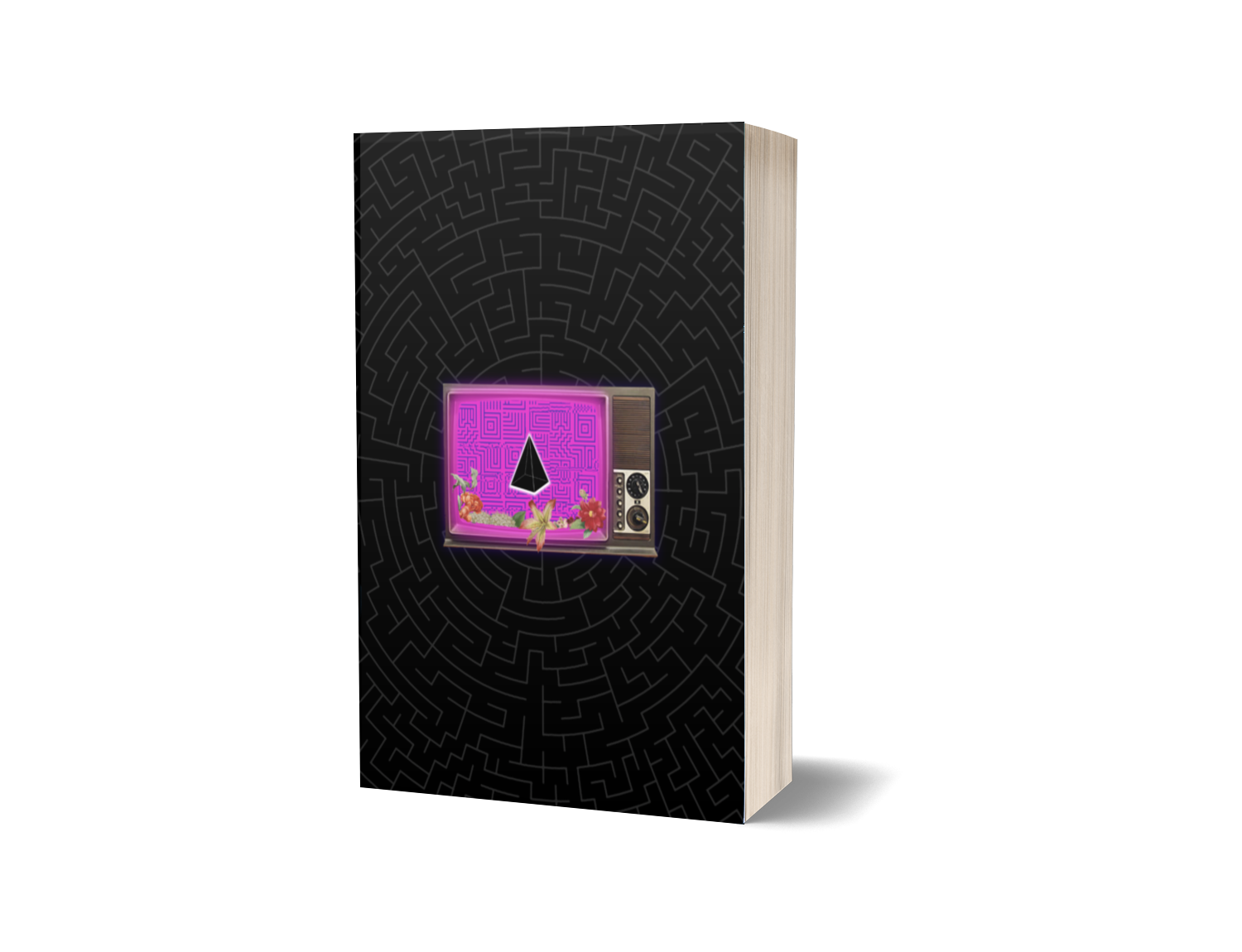
Leopold’s Labyrinth
Leopold’s Labyrinth puts the reader at the center of a story where they take shape as a recluse residing in the digitally-constructed environments of the future—the cybergothic landscape of the 2020s. It is Sunday evening and they just have begun their pilgrimage into a holy labyrinth, in the hopes that they will come upon new artifacts that radiate a simultaneously corporeal and astral aura. The reader is a miner who mines this place for its meaning. Leopold’s Labyrinth is a funhouse turned video game for readers. They must interact with textual artifacts, deduct meaning, and grapple with the complex human issues turned upside down and inside out. You will perhaps not read a more interactive and fascinating novel this year.
Latest News
Featured



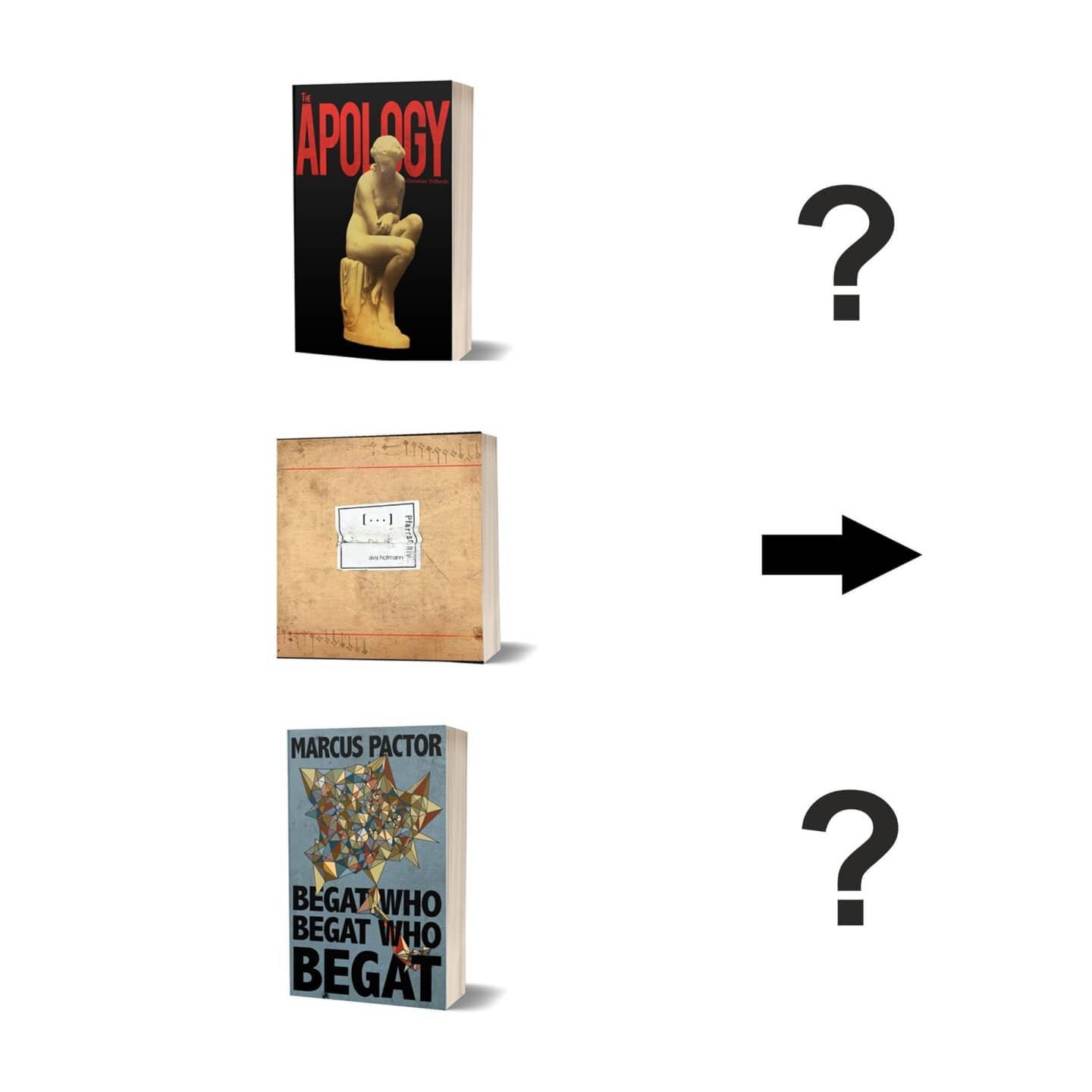

![Pre-order […] by Ava Hofmann via astrophilpress.com⠀
#Astrophil_Books #astrophilpress #AvaHofmann](https://images.squarespace-cdn.com/content/v1/5f152a5a22af2a37ad8d3207/1633144323705-9MD9K9ROCPQVWYYOL6T9/image-asset.jpeg)
